Our Under Development Product

Skin and soft tissue infections caused by susceptible bacteria
Oral cavity and periodontal infections
Bone and joint infections including osteomyelitis
Infections caused by Staphylococcus, Streptococcus, Bacteroides, and anaerobic pathogens
Target Dosage Form
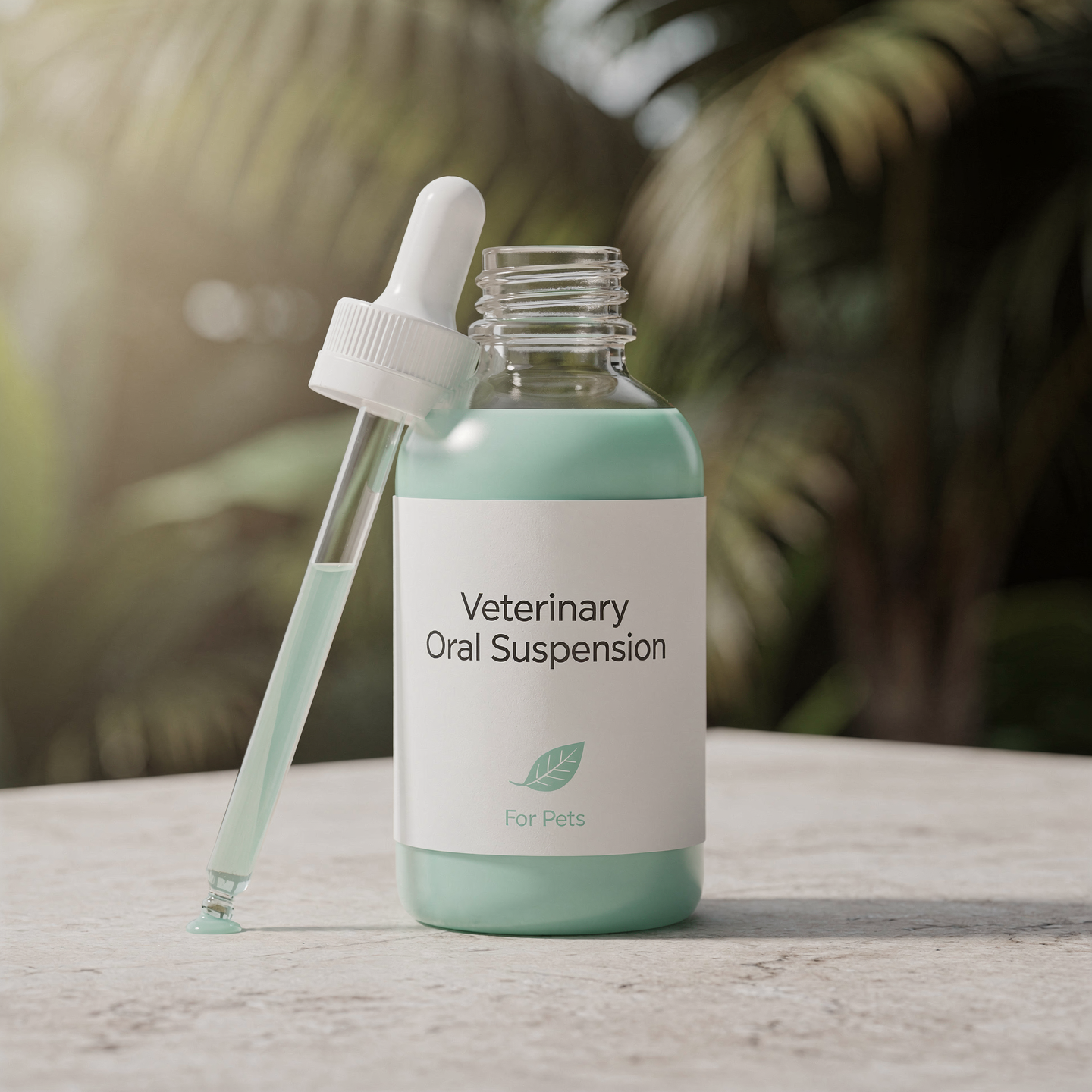
Palatable Suspension – Priority formulation for SEA market in 30 mL bottles. Tablet compliance is notoriously poor, especially in cats and small dogs, creating strong demand for taste-masked, heat-stable suspension formulations.
SEA Market Rationale
Clindamycin represents a critical gap in the Southeast Asian market. While widely used globally, locally available options are limited to poorly compliant tablet formats. The tropical climate demands suspension formulations with superior stability profiles.
Manufacturing Discussion Points
Cost optimization strategies for accessible pricing
Taste-masking capability and palatability optimization
Suspension stability under high heat and humidity conditions
Multi-strength formulation flexibility (targeting both cats and dogs)

Dogs
Infected Wounds, Abscesses & Dental Infections
Dose: 5.5 mg/kg body weight every 12 hours
Duration: Treatment may be continued up to a maximum of 28 days if clinical judgment indicates. Treatment of acute infections should not be continued for more than three or four days if no response to therapy is seen.
Canine Osteomyelitis
Dose: 11 mg/kg body weight every 12 hours
Duration: Treatment is recommended for a minimum of 28 days. Treatment should not be continued for longer than 28 days if no response to therapy is seen.

Cats
Infected Wounds, Abscesses & Dental Infections
Dose: 11-22 mg/kg body weight once every 24 hours, depending on severity
To provide 11 mg/kg: administer 0.5 mL/kg body weight once daily and To provide 22 mg/kg: administer 1 mL/kg body weight once daily
Duration: Treatment may be continued up to a maximum of 14 days if clinical judgment indicates. Treatment of acute infections should not be continued for more than three to four days if no clinical response to therapy is seen.
Specific Pathogens: Effective against Staphylococcus aureus, Staphylococcus intermedius, Streptococcus spp., Clostridium perfringens, and Bacteroides fragilis.
Respiratory tract infections
Chlamydophila and Mycoplasma infections
Leptospirosis treatment and prevention
Urinary tract infections
Why Monohydrate Form?
Doxycycline monohydrate causes significantly less gastrointestinal irritation compared to the hyclate salt, making it substantially safer and better tolerated in both cats and dogs. This is particularly important for the extended treatment courses common with tick-borne diseases.
Manufacturing Focus
Batch size economics for cost-effective production
Scored tablet design for flexible dosing across weight ranges
Coating technology to reduce esophageal irritation risk
Tablet compression and stability feasibility studiesTablet compression and stability feasibility studies


| Total Strength | Amoxicillin | Clavulanic Acid | Target Species |
|---|---|---|---|
| 62.5 mg | 50 mg | 12.5 mg | Dogs & Cats |
| 125 mg | 100 mg | 25 mg | Dogs |
| 250 mg | 200 mg | 50 mg | Dogs |
| 500 mg | 400 mg | 100 mg | Dogs |

Why Dermatology Focus?
Dermatological cases represent the single most common clinical presentation in Southeast Asian companion animal practice. The combination of year-round heat, high humidity, and specific regional allergens creates an environment where skin conditions flourish.
Current treatment options are either prohibitively expensive imported products or generic alternatives with questionable stability under tropical conditions. This creates a substantial opportunity for locally manufactured, climate-optimized dermatology solutions.

Tablet Hardness Balance: Must be hard enough for stability yet maintain reasonable palatability for direct administration
Scored Tablet Feasibility: Enable accurate dosing across different weight ranges without compromising tablet integrity
Shelf Life Under ASEAN Conditions: Target minimum 18-24 months under accelerated stability protocols representing real-world tropical storage